
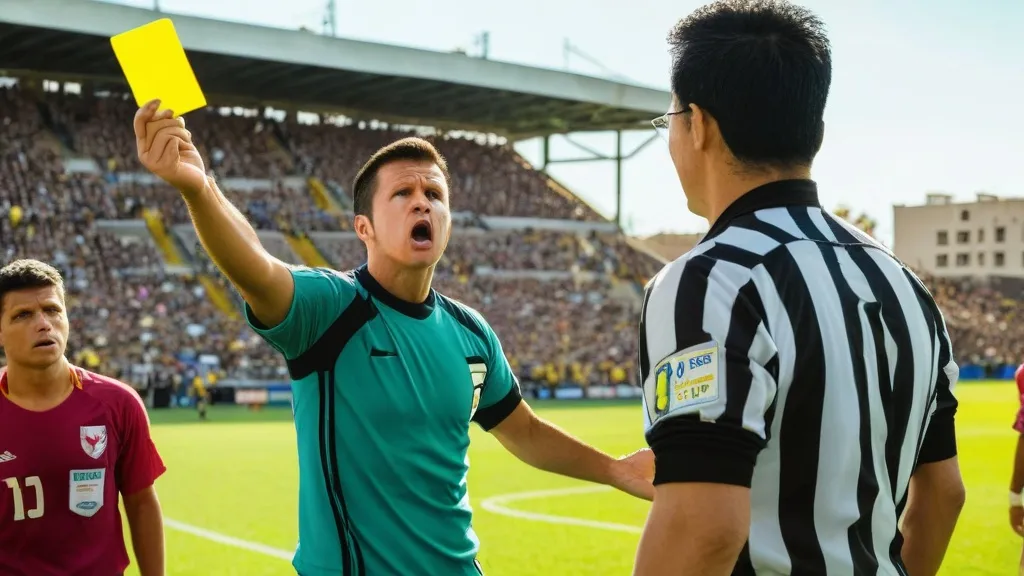
As someone who’s coached, reffed, and argued about cards for 12+ years, here’s the simple bit up front: in yellow card soccer, the yellow is a caution. A public “knock it off” from the referee. It’s not the end of the world. But it’s not nothing. In my experience, the best players know how to live on a yellow without blowing up their team’s day.
What the yellow really means (and what it doesn’t)
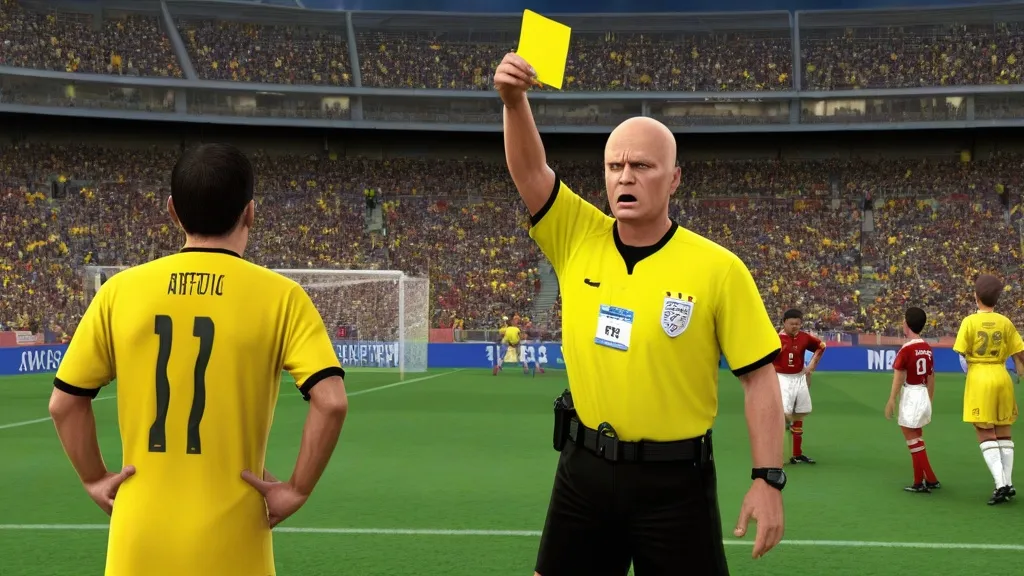
People love to turn a yellow into a grand moral lesson. Nah. It’s a tool. A yellow card is a formal warning from the ref that your behavior crossed the line—reckless tackle, dissent, simulation (yep, diving), time-wasting, all the cute stuff. It goes in the match report. Stack two? You’re off. It’s about discipline and match control, not drama.
If you want the literal rulebook (Law 12), the IFAB spells it out like your strict school teacher. It’s dry but solid. I’ve cited it countless times when players swear their slide “got the ball.” That isn’t enough if it’s reckless. Read it here: IFAB: Fouls and Misconduct (Law 12).
Typical reasons you get booked
- Reckless challenge (you went for the ball like a train with no brakes)
- Dissent (yelling at the ref, sarcastic clapping, theatrical eye-rolls)
- Persistent infringement (five “small” fouls still add up)
- Delaying the restart (kicking the ball away, slow walks, “oops my lace”)
- Not respecting distance on free kicks (standing in front of the ball)
- Simulation (acting class on the field)
- Entering/leaving without permission (rare, but it happens)
Quick cheat sheet (so you can sound smart on the couch)
| Offense | Plain-English Reason | Restart |
| Reckless tackle | Dangerous, but not endangering safety like a red | Free kick to opponent |
| Dissent | Mouthy, mocking, or aggressive talk | Free kick to opponent |
| Persistent fouling | Death by a thousand trips | Free kick to opponent |
| Time wasting | Milking the clock, pretending you lost the ball | Indirect free kick |
| Not 10 yards at a free kick | Blocking the quick restart | Free kick to opponent |
| Simulation | Acting for a foul or penalty | Free kick to opponent |
In my head, a yellow is a thermostat. I turn it up to cool a hot game. Sometimes a quiet word works. Sometimes it doesn’t. And sometimes a book comes out early to say, “We’re not doing this today.” If you want a quick history of the little card that ruined many Saturday leagues, the basics live here: Penalty card — Wikipedia.
Video games make cards look easy. Real life? Messier.
I’ve argued about card logic with teenagers who think the game engine is the law. In my experience, both titles capture the mood, but not the nuance. I wrote more on that whole rivalry here: FIFA vs PES: Which Football Game Reigns Supreme?
If you live in sports games like I do, I dump a lot of card, foul, and physics gripes into my general gaming notes here: Sports in Gaming
Myths I wish would retire
“A yellow means the player has to go soft now.”
Not really. Smart players adjust. They jockey, time their tackles, and use their body better. They don’t turn into ghosts. The risk goes up, sure. But a good defender on a yellow can still boss a game—just without the kamikaze slide.
“Referees love handing out cards.”
Are you kidding? More paperwork for me? A card is like calling tech support: only when you have to. Managing a game with presence and warnings first is the ideal. But some matches don’t give you that luxury.
“Stopping the clock would fix time wasting.”
I hear this from fans who also watch gridiron. Soccer’s clock is part of the flow. Stopping it every time the ball goes out turns a 90-minute match into a television marathon. If you want to see how 60 minutes can balloon, this is a fun comparison: Why a 60-Minute Football Game Becomes Three Hours
“Quarter lengths would make soccer fairer.”
We don’t need scripted pauses to sell car ads. The ref adds time for delays. That’s the design. If you’re curious how quarter timing works in other codes and why it’s different, here’s a breakdown: Football Quarter Lengths (NFL, College, HS)
How players game the system (and how refs push back)
I’ve always found that the best dark arts are subtle. Tactical foul at midfield? Clip the calf, look apologetic, help him up. Maybe you escape with just a lecture early. Do it again? Booked. Persistent infringement is the catch-all that gets the “clever” ones.
Time wasting is an art form. Goalkeepers adjusting socks. Fullbacks practicing origami with the ball before a throw. After a warning, you’re looking at a caution. Then the ref adds big chunks at the end. Professional teams try to bank seconds now and pay later. Sometimes it backfires. Delicious.
Second yellows and suspensions
Two yellows equals red in that match. After that, suspensions depend on the competition. League rules vary. Tournament rules vary. Accumulation rules too. You can be totally clean in a cup and one card away from a ban in the league. Fun to track? Not remotely.
VAR, advantage, and those “why didn’t he book him?” moments
Sometimes you’ll see a referee give advantage and come back to book at the next stoppage. That’s correct. The priority is the attacking chance. If the ref forgets to come back? That’s… human. VAR can flag red-card incidents, but not garden-variety cautions. So no, VAR won’t save your winger from a cheap tactical grab. It’s on the ref’s feel for the game.
What I look for before pulling yellow
- Temperature of the game (is it boiling or simmering?)
- Player’s history in the match (persistent little kicks?)
- Impact on a promising attack (tactical vs clumsy)
- Attitude right after (helpful or hostile)
- Location and speed (reckless in midfield vs near the box)
Cards in games vs cards on grass
Video games love clean categories: “reckless” toggled to “yellow.” Real life has tone and timing. I rant about this a lot and drop clips in this archive when I can: FIFA & NBA2K Category
Also, for folks who love rule rabbit holes, the U.S. Soccer page lays out the same Law 12 bones with domestic guidance. It’s straight to the point when you want the official phrasing: US Soccer: Laws of the Game
How to watch for a yellow coming
Want to predict a booking before it happens? Watch the ref’s patience meter. Three small fouls by the same player. One loud outburst. A delay at a restart after a warning. Boom—card. After a fast counter is killed at midfield, I’m already reaching to the pocket.
Quick reads for fans who like patterns
- Early wild tackles usually mean early cards. It calms the pack.
- Derbies and finals: lower tolerance. Emotions > technique.
- Young refs sometimes over-card to show control. Older ones can under-card to keep 22 on the pitch. Balance is an art.
- Watch captains. Good ones defuse dissent before it earns plastic.
Cards also fit into the tempo choices of the sport. Soccer encourages flow. Not slice-and-dice like other codes. If you like seeing how other sports handle time—and how that shapes behavior—this explainer is handy: Football Game Length: Why 60 Minutes Becomes Three Hours
Little things that get big fast
What I think is underrated: failure to respect the distance. Ten yards at free kicks isn’t optional. Stepping in front of a quick free kick is basically asking for yellow. Players gamble that the ref will “talk first.” Sometimes. Not always.
Another sneaky one: dissent through sarcasm. You don’t have to scream. A slow clap or smirked “brilliant call, ref” will do it. Depends on the match temperature. I usually try the eyebrow raise first. If it keeps up, out comes the card.
Coaching with cards in mind
When I coach, I remember who’s booked and adjust. Fullback on a yellow? We tuck the winger in to help. Striker booked for dissent? I sub him before he costs us. Play the player, not the badge. And yes, I tell kids: don’t argue the first yellow. The second one is the one that stings.
Why you shouldn’t panic at a yellow
I’ve seen teams collapse after one caution, like it’s a curse. Relax. Play smarter. Shift shape a bit. Communicate. Most yellows are survivable. The real disaster is the second one, often for something silly like knocking the ball away. Control the controllables.
One last note before you yell at the screen
I love a good debate, but remember: the ref has one angle and one take in real time. You’ve got three camera angles and a replay. I promise, we don’t wake up thinking, “Who can I book today?” We wake up hoping nobody makes us. That’s the gig. Anyway, next time someone asks what a yellow is, just say, “A warning with teeth.” That’ll do.
If you want my longer rants where I compare game engines to real officiating—and overthink everything—you can dig through this: Sports-in-Gaming posts
And for gamers who think a ref slider can fix human chaos, I’ve played with those too. My take is somewhere between “useful” and “fiction.” More here when I argue with myself about mechanics: More in my FIFA/NBA2K category
I could keep going. But I’ve got a match to watch and probably a fresh debate brewing about yellow card soccer after the first bad tackle…
FAQs
-
Does a yellow always mean a player has to be subbed?
No. If they’re calm and smart, keep them on. If they’re hot-headed or the ref is strict today, then yeah—consider a sub.
-
What’s the difference between reckless and excessive force?
Reckless is a yellow—careless and risky. Excessive force endangers safety—red. Speed, point of contact, and force matter.
-
Can VAR give a yellow card?
VAR can recommend a red or a review that might upgrade/downgrade, but it doesn’t intervene just to give a normal yellow.
-
Do yellow cards carry over between tournaments?
Usually no. They reset by competition. But accumulation and suspensions depend on the specific league or tournament rules.
-
Is it ever smart to “take a yellow”?
Yes. A tactical foul to stop a 3-on-1 can save a goal. Just don’t collect a second one for something dumb like dissent.

I’m Jacob Walker, and my blog is where digital and physical sports collide. I cover FIFA & NBA2K, explore unique athlete crossover content, and analyze the latest industry trends.


Do players purposely get yellows to sit out games?